
Damp Proofing & Investigations
Protect your home or business from rising damp, condensation, and penetrating damp with our professional damp proofing services. As trusted specialists covering Lancashire and Cumbria, we provide reliable, long-lasting solutions with written guarantees and insurance-backed protection through Crown Biokil Products accreditation.
Trusted Damp Proofing Specialists in Lancashire and Cumbria
Our team delivers comprehensive damp proofing services, from accurate diagnosis to full treatment and restoration. Whether you’re tackling rising damp, penetrating damp, or basement moisture problems, we use proven materials and techniques to restore your property’s structural integrity and prevent future issues.
We’re proud members of the Federation of Master Builders and TrustMark – the Government Endorsed Quality Scheme, meaning every project we complete meets the highest industry standards.
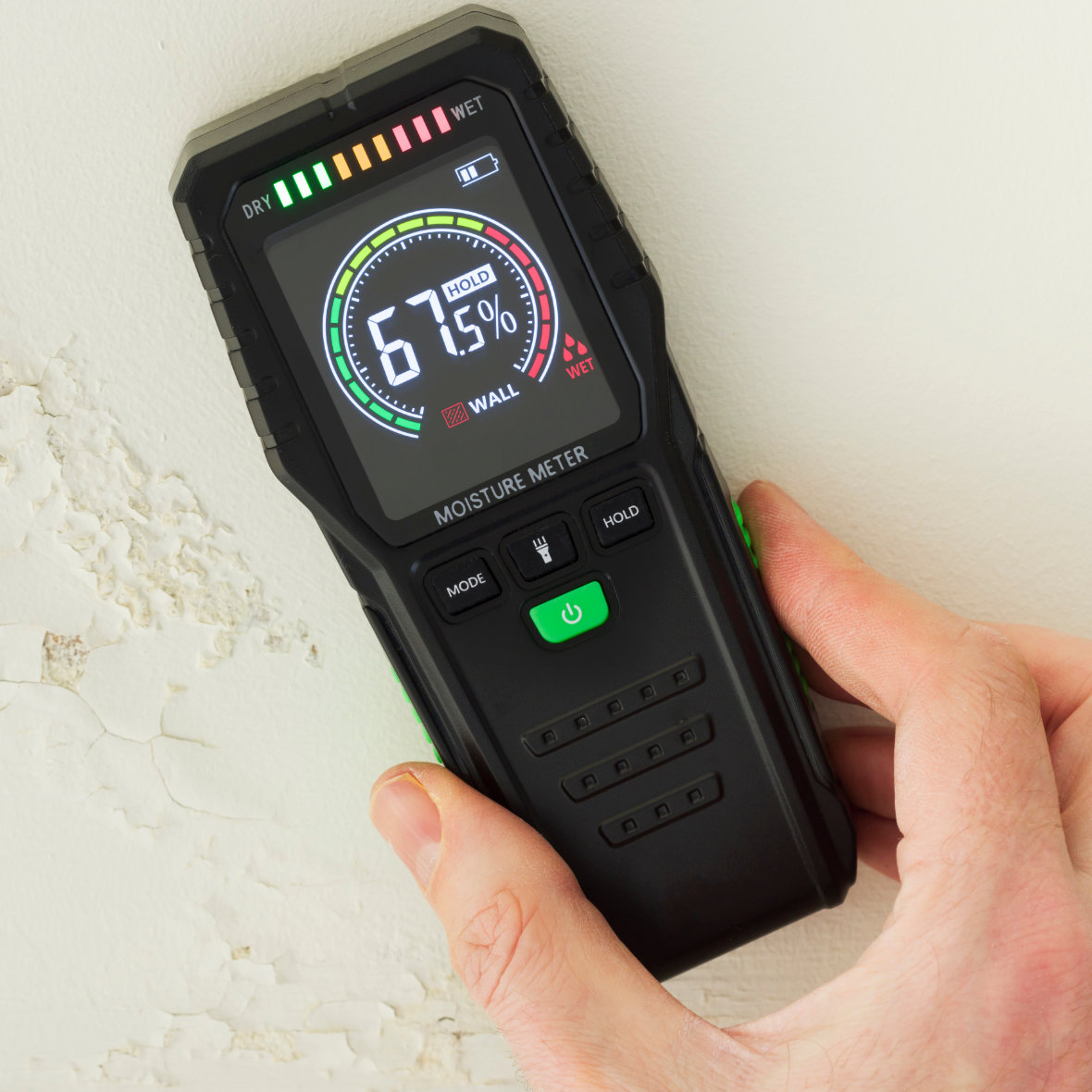
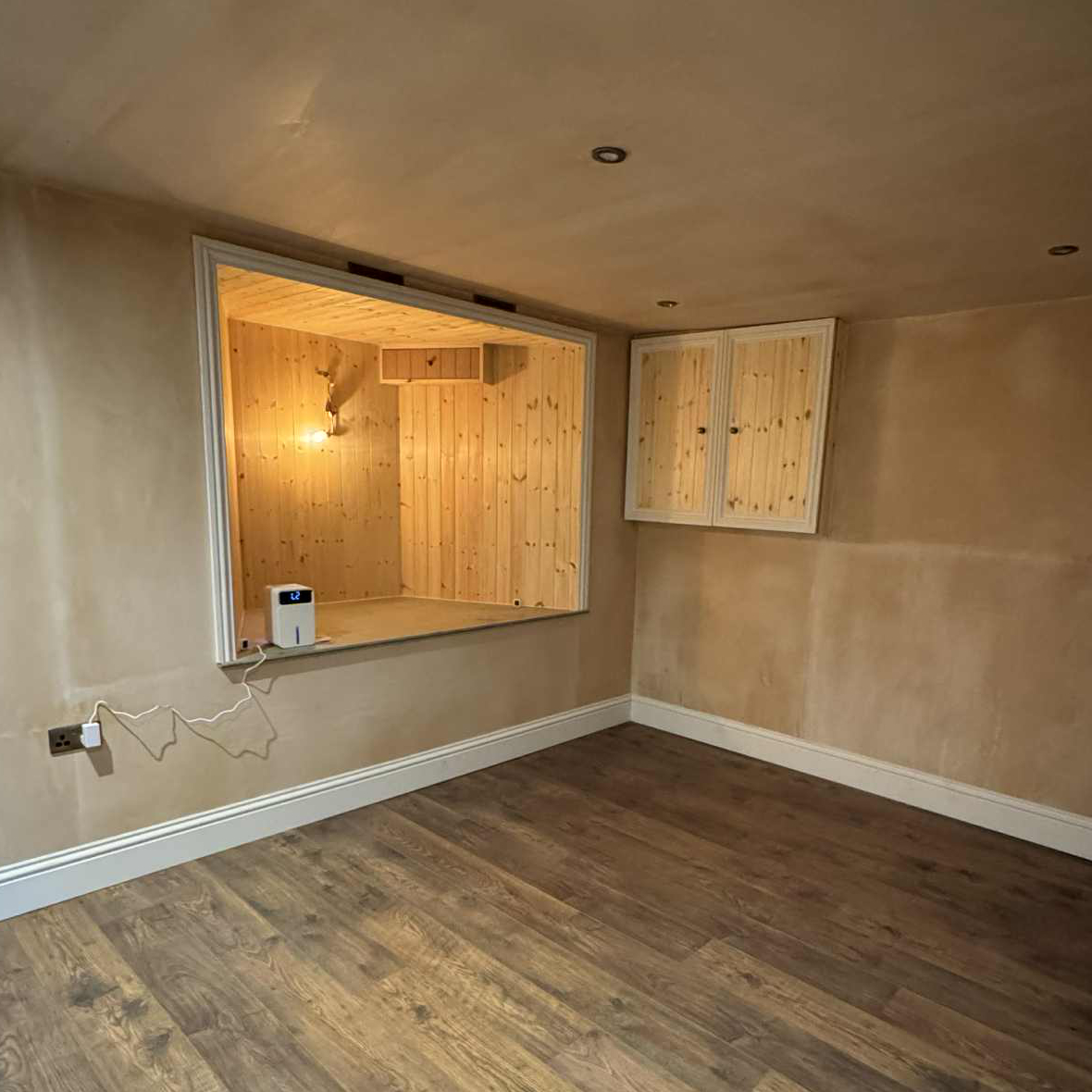
We manage the whole project
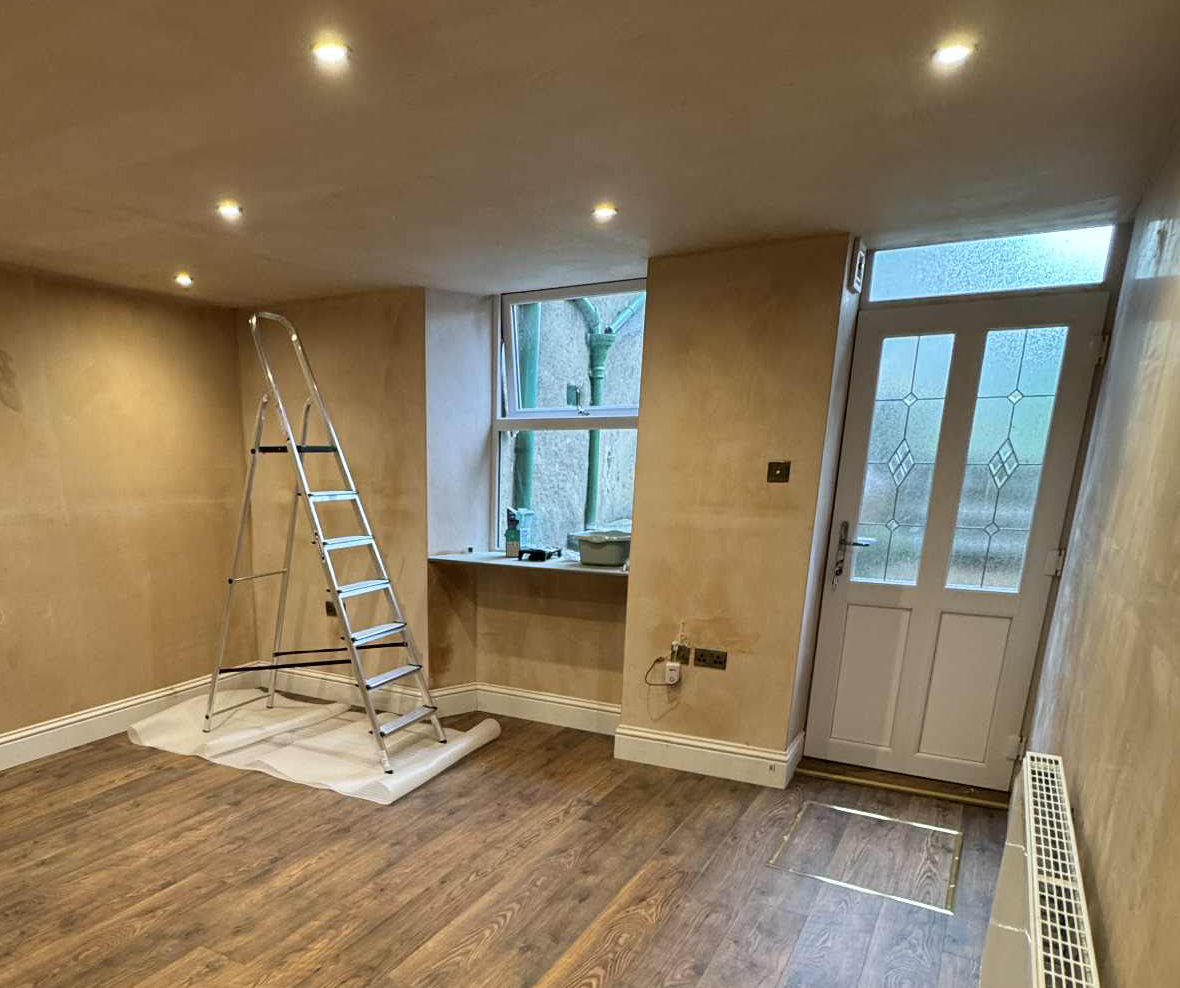
From your first inspection to the final handover, we handle every stage with professionalism and care. Our specialists identify the source of moisture, apply the right damp proofing system, and ensure your property is left clean, dry, and protected.
We also provide written guarantees for peace of mind and offer insurance-backed guarantees for qualifying projects.
Damp Proofing Investigations & Diagnosis

Damp Investigation For Home Buyers
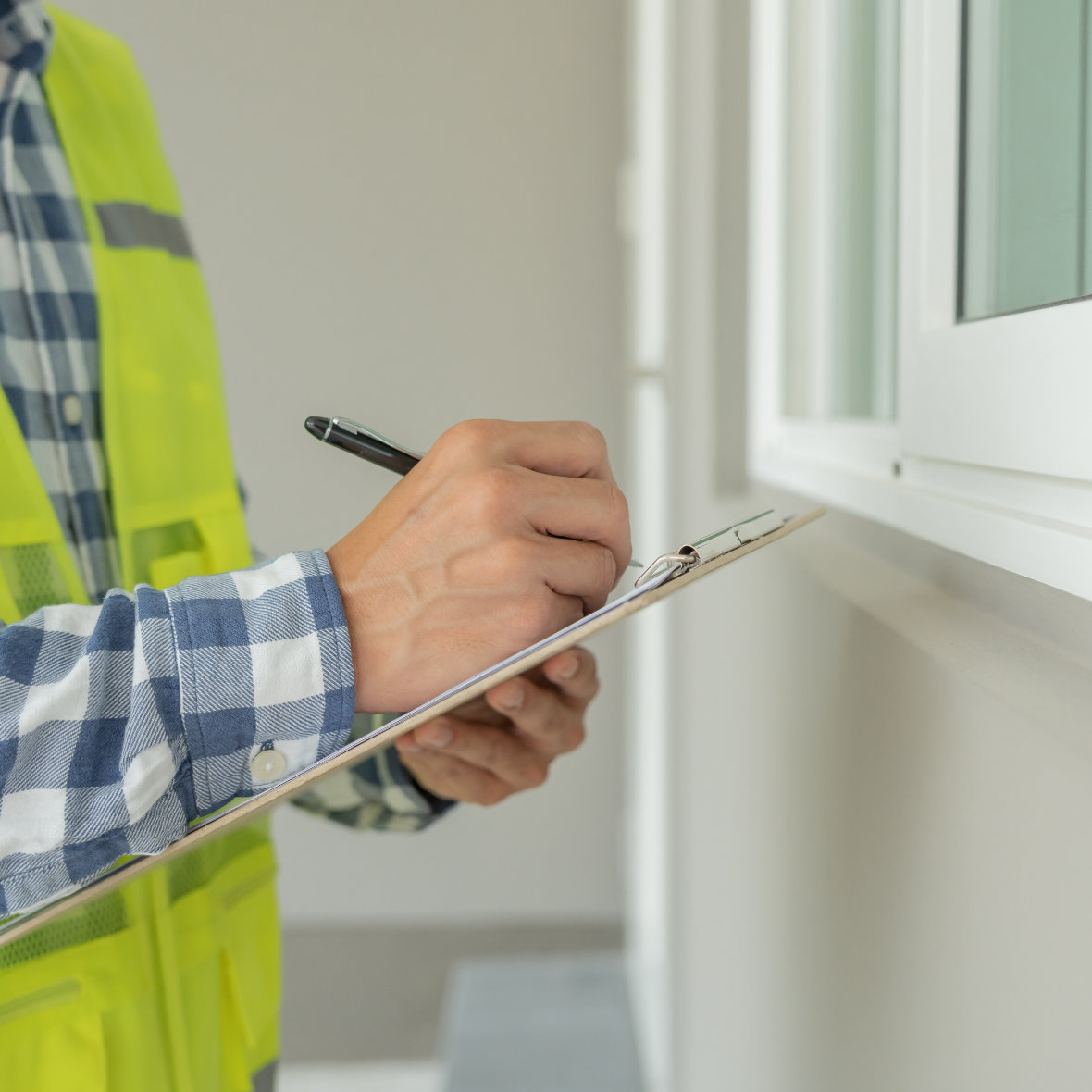
Buying a property? Our detailed damp and timber surveys help identify hidden issues before you commit. We provide clear reports and honest recommendations to help you make informed decisions.

Trusted By Estate Agents & Homeowners
We work closely with estate agents, landlords, and homeowners across the region - offering reliable quotes, and fully qualified surveyors you can depend on.
Let's get started on your next project
ContactTypes of Damp and How to Deal With Them


What is Rising Damp?
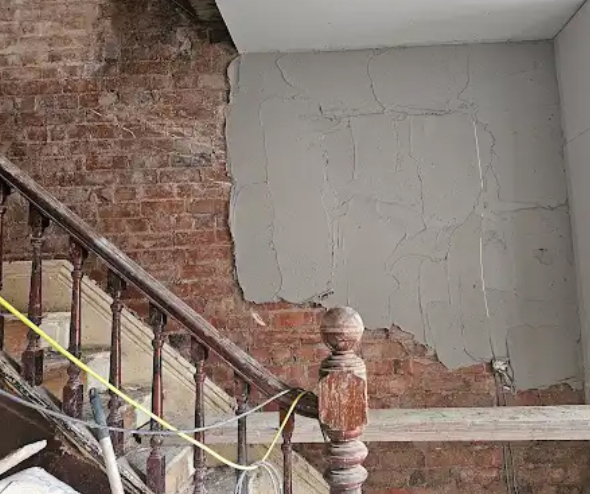
Rising damp occurs when moisture from the ground moves up through walls due to a failed or missing damp-proof course - it’s particularly common in older buildings. Homeowners often notice tide marks or damp staining on walls, peeling paint or wallpaper, crumbling plaster, salt deposits, or damaged skirting boards. Rooms affected by rising damp can also feel colder and carry a musty smell.
If left untreated, rising damp can gradually damage plaster, brickwork, and timber, leading to expensive structural repairs and long-term deterioration of your property. It can also worsen indoor air quality and contribute to mould growth, which may impact health.
How to Treat Rising Damp
Treatment typically involves installing or repairing a damp-proof course and allowing affected walls to dry out properly. At Bowland Damp Proofing, we carry out detailed damp surveys to accurately identify the source and extent of the issue. Once diagnosed, we recommend the most effective treatment — from installing a new damp-proof course to repairing existing damage — ensuring your home stays dry, healthy, and structurally sound.
What is Penetrating Damp?
Penetrating damp happens when water gets through external walls, roofs, or window frames - often due to cracks, porous brickwork, or guttering issues. It can cause damp patches, plaster damage, and a musty smell, and unlike rising damp, can manifest at any height.
If your property is affected by penetrating damp, you may notice damp patches, mould growth, external damage such as crumbling mortar or visible leaks.
How to Treat Penetrating Damp?
We start by pinpointing where the water is getting in, then apply proven solutions such as high-performance water-repellent coatings and targeted repairs to restore your property’s integrity and stop damp from returning.
Why is condensation caused?
Condensation forms when warm, moist air meets a cold surface - a common problem in kitchens, bathrooms, and poorly ventilated rooms. It is most common in winter when there is more likely to be a temperature difference between the warm air in the room and cool surfaces such as windows. Left untreated, it can lead to mould growth and damage to plaster and paintwork.
How to avoid condensation?
Improving ventilation and managing humidity are key. We can install effective ventilation systems, identify any hidden damp contributing to the issue, and help keep your home dry and healthy.
What is black mould?
Black mould is a fungus that thrives in damp, poorly ventilated areas, often leaving dark stains and a musty odour. It’s unsightly, can damage furnishings and décor, and may pose health risks if left untreated. While DIY cleaning may remove visible mould temporarily, the problem will return unless the underlying cause - usually condensation or damp - is properly addressed.
How to Treat Black Mould?
Simply cleaning the surface won’t solve the problem - the underlying moisture must be addressed. Bowland Damp Proofing will locate the root cause, safely remove the mould, and recommend permanent moisture control solutions to stop it coming back.
Frequent questions
Damp problems are usually caused by excess moisture entering or becoming trapped inside a property. This can result from faulty gutters, damaged brickwork, poor ventilation, or a failed damp-proof course. Fixing the problem depends on the source - we carry out detailed damp surveys to identify the cause, then apply the correct treatment such as repairing the damp-proof course, improving ventilation, or applying specialist waterproof coatings.
Damp proofing is the process of preventing moisture from entering the structure of a building. It can involve installing barriers like a damp-proof course (DPC) or membrane, applying water-repellent coatings, and addressing ventilation or drainage issues to keep walls and floors dry and protected.
A damp proof course is a horizontal barrier, usually installed at the base of external walls, that prevents ground moisture from rising into the property. In older buildings, the DPC may have deteriorated or be missing altogether, leading to rising damp. Modern treatments include injecting a chemical DPC to create a new, effective barrier.
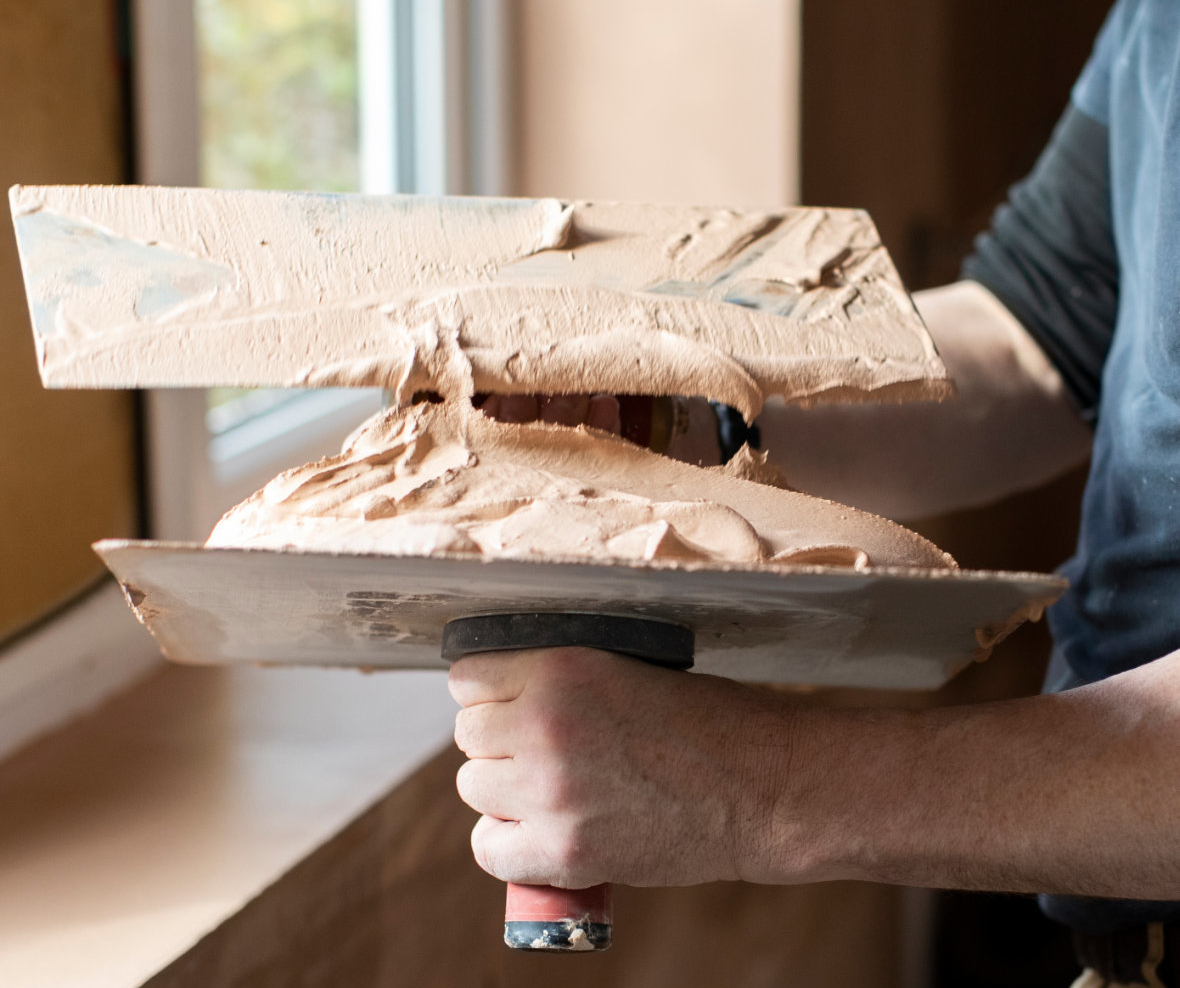
Our process begins with a professional damp survey to identify the exact source of moisture. We then prepare the area, apply the appropriate damp-proof treatment (such as a chemical injection or membrane), and carry out any necessary plastering or repairs. Each project is tailored to the property’s needs to ensure long-term protection.
Common signs include damp patches on walls, flaking or bubbling paint, peeling wallpaper, a musty smell, mould growth, or damaged skirting boards. If you notice any of these, it’s important to arrange a damp survey to identify the cause before the problem worsens.
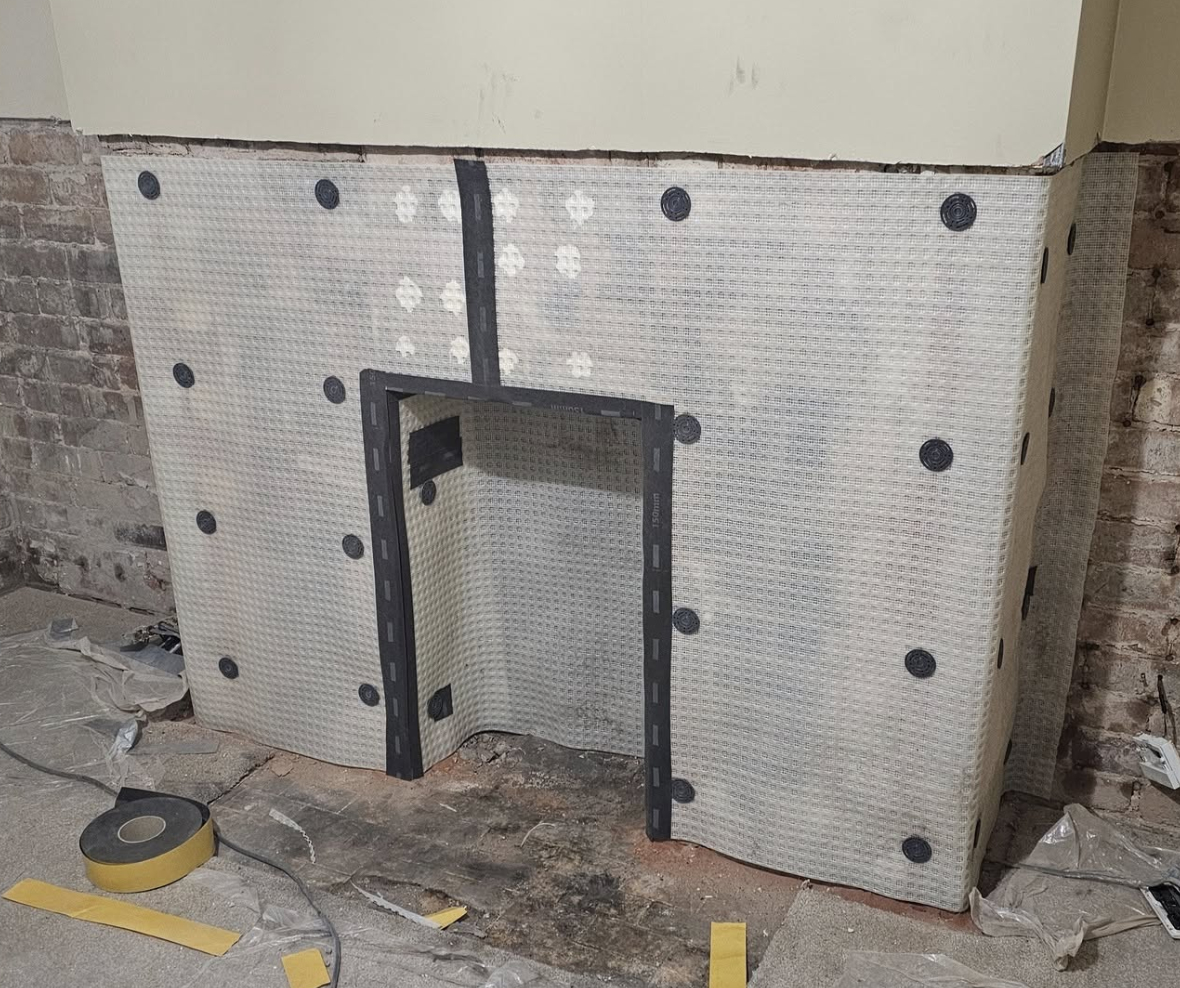
Basements and cellars require a method known as tanking, where waterproof membranes and coatings are applied to the walls and floors to create a watertight seal. We use professional-grade systems designed to withstand hydrostatic pressure and ensure lasting protection against water ingress.
DIY damp proofing kits may seem like a quick fix, but they rarely solve the underlying problem. Most only treat the visible symptoms - such as damp patches or peeling paint - rather than addressing where the moisture is actually coming from. Without specialist equipment and testing, it’s easy to misdiagnose the cause, meaning the damp soon returns and can continue damaging plaster, brickwork, and timber out of sight. Professional damp proofing ensures the source of moisture is correctly identified and permanently resolved, protecting your property for the long term.